
Translating the Story Within Your Profit and Loss Statement
You already know what a Profit and Loss (P&L) statement is. You’ve seen it at tax time, handed it to your CPA, and probably reviewed it at the end of a quarter. But do you know the story it’s telling you about your specific business? Your P&L is more than a report. It shares insight into your business’s financial health, and it matters far beyond tax season. Lenders, banks, and in some cases insurance providers will look to it when evaluating your business. Your CPA attaches it to your tax return every year. And if you were ever audited, your Profit and Loss statement would be one of the first things examined.
This report is far more than a summary of income and expenses. It is a real-time narrative of your company’s operational health, written in numbers. When you know how to interpret it, your P&L becomes a guide for where your business is performing, where it is losing ground, and what decisions you need to make to stay ahead.
What Is Your P&L Actually Telling You?
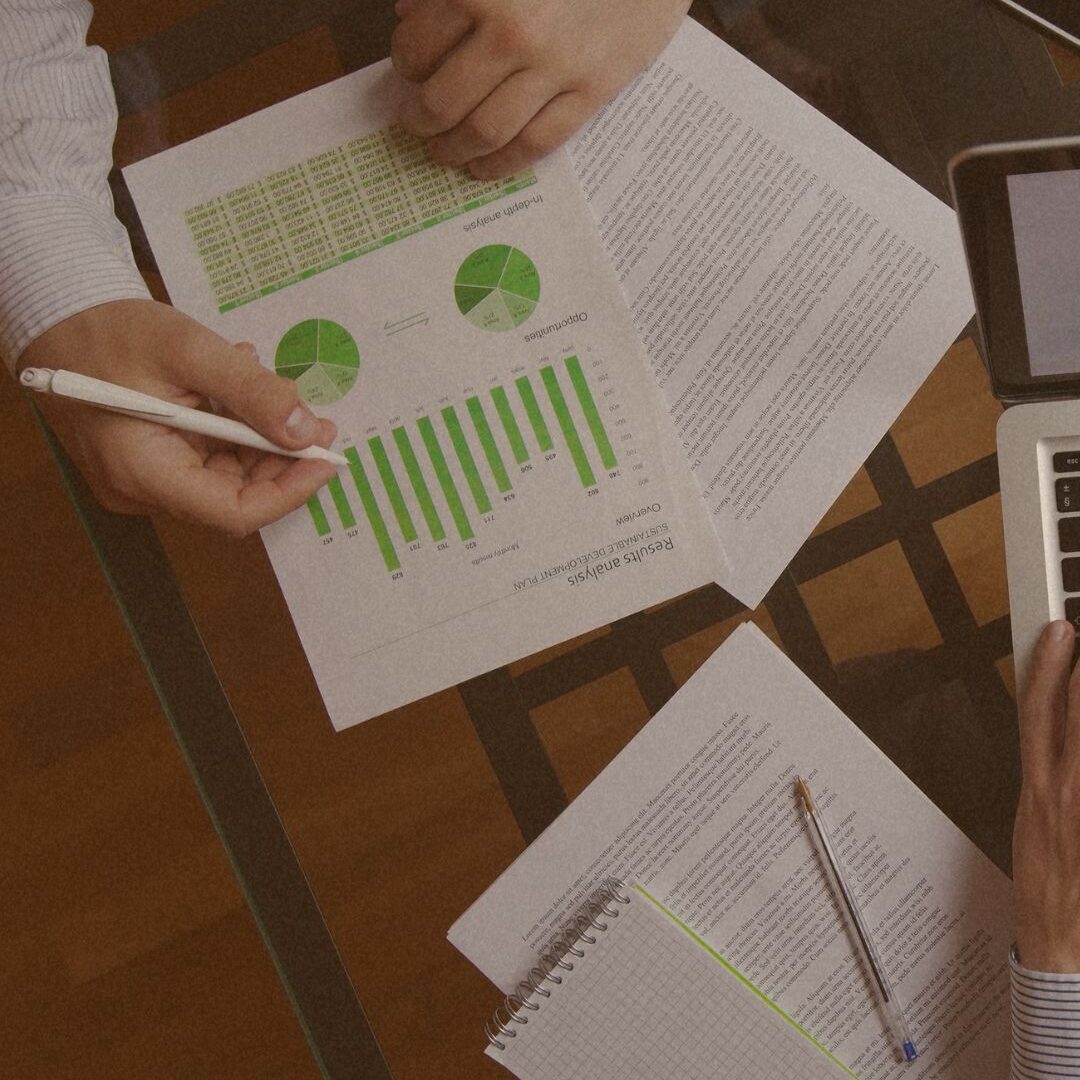
Your P&L is showing you how your overhead is affecting your revenue. That relationship is at the heart of every major business decision you face. Should you hire? Can you offer a raise to a top-performing employee? Are you heading into a slow season and need to plan for it? Has a rise in material costs, fuel surcharges, tariffs, or operational changes quietly eroded your margins? The answer to all those questions may live inside your Profit and Loss statement.
The Profit and Loss statement is one of the most practical forecasting tools you have. Understanding the classification of income and expenses matters more than most people realize, because the way cash flow is classified on your P&L influences how a lender, a bank, an auditor, or the IRS interprets your business’s financial health.
Who Should Be Reviewing This Data?
Having accurate books is the foundation, but it is not the finish line. The data needs someone reviewing it in the context of what is happening in the business. Without that, your financials become a record of the past rather than a tool for what comes next.
Clean, accurate bookkeeping ensures the numbers are right. Consistent review guarantees those numbers are being used to manage the business.
The businesses that get the most out of their P&L are the ones that have made reviewing it a consistent habit rather than a quarterly obligation. Many have made a shift from occasional review to more frequent visibility, sometimes even daily, so they can catch shifts in performance while there is still time to respond to them.
Pulling reports directly from your accounting system rather than rebuilding them manually keeps that process accurate and efficient. It also means leadership is always working from the same numbers, not different versions of them.
The combination of structured bookkeeping and regular review is where the real shift happens. That is when your P&L stops being something you glance at and starts being something you run your business with.
Where to Focus Your Attention
Most business owners are not short on data. What they are short on is knowing which numbers are worth acting on. These three areas are where your P&L starts to tell a real story.
Gross Profit Margin: What is left of your revenue after the direct cost of delivering your product or service, before overhead is factored in. If sales are up but this number is shrinking, your delivery cost has gotten more expensive, and it is telling you whether you can afford to hire or expand right now.
Operating Expenses: Where you see the real cost of running your business, payroll, rent, software, utilities, and everything in between. This is also where rising material costs, fuel surcharges, and tariff adjustments show up. When these climb without a revenue increase to match, your margin compresses, and your P&L will show it before your bank account does.
Net Income: Your actual bottom line after every expense is accounted for. The real value is in the pattern over time, not a single month. It shows you seasonal lulls before they hit, and tells you whether a strong revenue month translated into profit.
None of these numbers exist in isolation. They talk to each other and learning to read that conversation is what separates business owners who are reacting to their financials from those who are using them to make decisions ahead of time.
Red Flags to Watch on Your P&L
Knowing the key metrics is one thing. Knowing what to look out for is another.
Large or Growing Miscellaneous Expenses: Miscellaneous is a catch-all, and a large balance here is one of the first things the IRS will question in an audit. It signals that expenses are not being properly categorized, which raises questions about what is in there and why it has not been classified elsewhere. Keeping this category minimal and well-documented is a basic but important part of maintaining clean books.
Misclassified Income or Expenses: Where something is classified on your P&L matters as much as the amount. A personal expense coded as a business expense, a capital purchase running through operating costs, or revenue sitting in the wrong category can all distort your financial picture and create compliance issues at tax time. Consistent review catches these before they compound.
Revenue and Expense Patterns That Do Not Match: If your revenue is trending up but your net income is flat or declining, something in your cost structure deserves a closer look. The same is true in reverse. Unusual swings in either direction, month over month or year over year, are worth understanding before someone else asks you to explain them.
The goal is not perfection. It is awareness. A P&L that is reviewed regularly, classified accurately, and understood by the people running the business is one of the strongest positions you can be in, whether you are sitting across from a lender, preparing for tax season, or simply trying to make a well-informed decision about where your business goes next.
Why Consistent Analysis Matters for Growth
The value of your P&L is not found in a single report, but in how consistently it is reviewed over time. It is also your road map to compliance. Understanding, monitoring, and analyzing your statement regularly prepares you for any questions that might arise from a lender.
We often see that when financial data is only reviewed periodically, important patterns go unnoticed and classification errors accumulate quietly. If you were ever audited, one of the first things that comes into question is what is being classified where. A large sum sitting under Miscellaneous Expenses, for example, will always draw scrutiny. Regular analysis, whether month over month or year over year, allows you to identify trends in revenue and spending, catch those classification issues before they become a problem, and move forward with financials you can stand behind.
Sustainable growth requires more than increasing sales. It requires a clear understanding of the margins behind those sales, the visibility to adjust as conditions change, and financials that accurately reflect the health of your business. Your P&L is often the most compelling proof of that health, and keeping it clean, accurate, and well-monitored is one of the most proactive things you can do for your company.
Gaining Clarity Through Professional Oversight
Reading a report is the first step, but interpreting the data and applying it to your day-to-day operations is where real value is created. It is also worth noting that your P&L does not stay within your business. It is attached to your tax return, reviewed by your CPA, and becomes part of the formal record of your company’s financial activity. The more accurately it reflects what is happening in your business, the better positioned you are at every level, from tax preparation to lending conversations to long-term planning.
We often see growing businesses with access to accurate financials, but without the time or internal resources to consistently review and act on them. As a result, reports become something you have, rather than something you use.
At DMH Business Solutions, we go beyond preparing your books. We provide the oversight needed to connect your financial data to your operations, helping you understand what’s driving performance, where adjustments are needed, and how to move forward with clarity.
Are your financial reports guiding your decisions, or simply documenting them?
At DMH Business Solutions, we recognize that every business is unique and deserves tailored solutions to meet its specific needs. Whether you require CFO/Controller Services, Full Charge Bookkeeping, or customized consulting, our offerings are crafted to address these precise requirements. Our clients, from healthcare to retail and hospitality, consistently praise our commitment to professionalism, precision, and clear communication.
Implementing stringent internal controls and maintaining vigilant oversight isn’t just At DMH Business Solutions, we help businesses make that shift, turning accurate data into sharper decisions that drive measurable growth.
Contact us today and let’s build a roadmap together.